


Incredible Moldova
- Information
- Tour Plan
- Location
- Gallery
- Additional Info
- Similar Tours
What's included
- Activities, excursions or visits included in the program
- Assistance of correspondents or local representatives
- English-speaking guide and / or assisted by local guides in Moldova. Costs associated with this staff
- Transport
- Multi-risk insurance or any other type of individual insurance
- Optional excursions
- Personal expenses
- “Moldovan wine routes”
CRICOVA & CHÂTEAU VARTELY
- 11:00 – Meeting in front of your hotel.
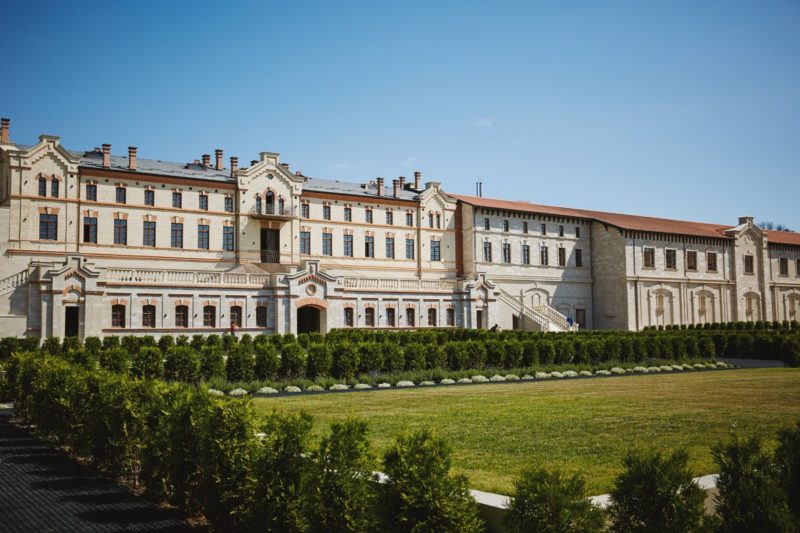
- Guided tour, tasting and meal at Château Vartely (50 km from Chisinau).
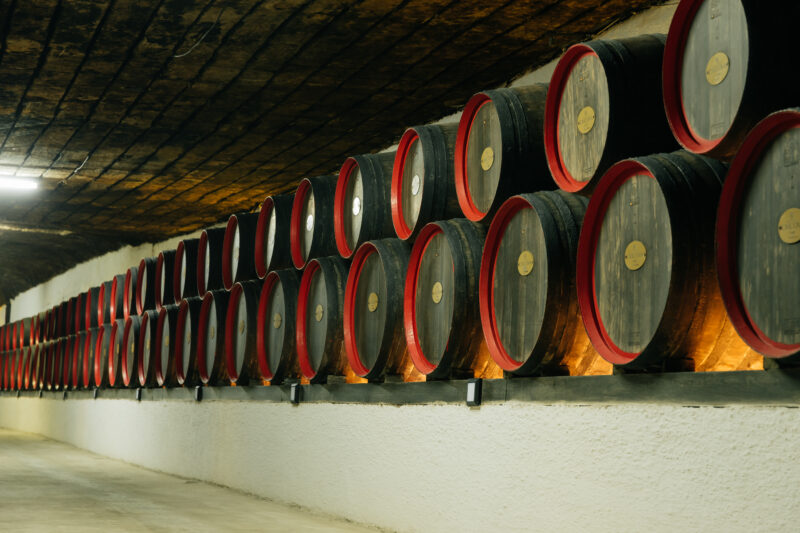
- Guided tour and tasting at Cricova cellars (13 km).
- 19:00 – Return to Chisinau.
More about Moldova
More about this tour
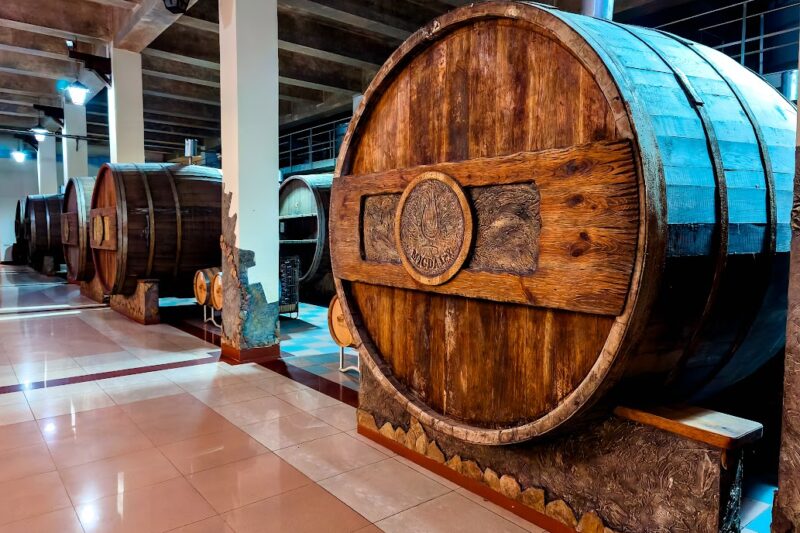
The essential of this circuit are the cellars of Cricova:

Founded by the USSR in the 1950s, Cricova is a very famous Moldovan producer of dry and sparkling wine located about 15 km north of Chisinau, in Moldova. Most Moldovans cannot imagine New Year’s Eve without a bottle of Cricova.
The Cricova wine cellars are the second largest in Moldova, offering 120 km in total length.

Today, Cricova has several tasting rooms. Some are “presidential” and impressive. In 2002, this place attracted the Russian President Vladimir Putin, who celebrated his 50th birthday there. It is said that there would have largely drawn from the reserve of prestigious vintages which he has on the spot, in particular champagnes.
Multiple legends surround the place like the one which tells that in 1966, the famous Russian cosmonaut, Yuri Gagarin, totally fascinated by the places, stayed two days in the cellars to visit them.
Cricova harbors remarkable collections of great vintages from Bordeaux, Burgundy, Tokaj and other wine regions.
We find for example the infamous private collection of Marshal Göring, the Nazi dignitary passionate about wine and luxury. He had accumulated during the Second World War the best vintages plundered in the territories occupied by the victorious Red Army, this collection had been divided in two: a part returning to Cricova, and the other to Crimea. In the one from Cricova, there are many lots of bottles dating from before 1945, such as a Château Talbot from 1938.