




In the south of the Republic of Moldova, where the Prut River continues its quiet journey toward the Danube, lies one of the country’s most spectacular and valuable natural areas: the Lower Prut Nature Reserve.
Here, water, reed beds, floodplain forests, lakes, and open countryside create a landscape that feels like a world apart. At the heart of this natural universe lies Lake Beleu, one of the most important aquatic ecosystems in southern Moldova and a true refuge for migratory birds.
For nature lovers, photographers, birdwatchers, and travelers looking for authentic experiences, the Lower Prut Nature Reserve is one of Moldova’s destinations that deserves to be discovered slowly and respectfully.
Where is the Lower Prut Nature Reserve?
The Lower Prut Nature Reserve is located in southwestern Moldova, in the lower floodplain of the Prut River, near the villages of Slobozia Mare and Văleni, in Cahul District.
The reserve was established on April 23, 1991, with the purpose of protecting and studying wetland and floodplain ecosystems and creating favorable conditions for rare and endangered species. According to Moldova’s forest administration, the reserve covers approximately 1,755 hectares.
Its importance extends far beyond the borders of Moldova. The Lower Prut Lakes are recognized as a wetland of international importance under the Ramsar Convention, particularly because of their importance for waterbirds.
Lake Beleu – The Heart of the Lower Prut
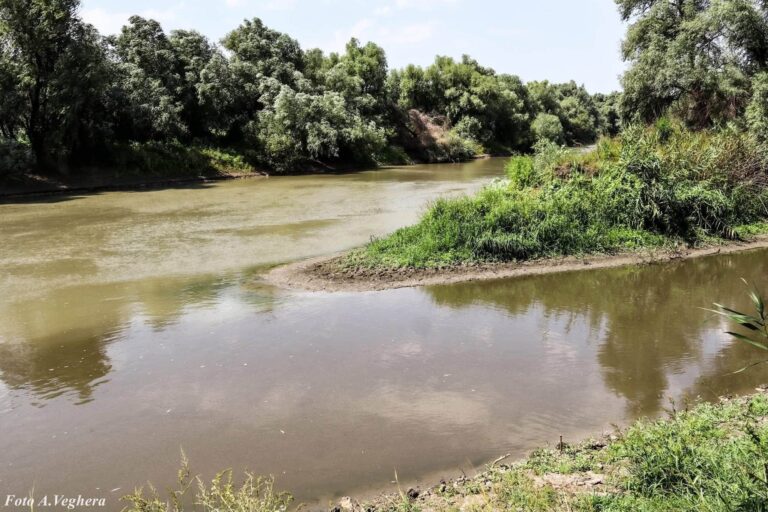
If there is one place that defines the Lower Prut Nature Reserve, it is Lake Beleu.
The lake is a remnant of an ancient freshwater Danube liman, formed as a result of geographical changes that took place thousands of years ago.
Lake Beleu is approximately 5 kilometers long and up to 2 kilometers wide, while its depth varies depending on water levels.
But Lake Beleu is much more than a lake.
It is a living ecosystem.
Its waters, reed beds, aquatic vegetation, and surrounding floodplain provide food and shelter for numerous species of fish, birds, amphibians, and reptiles.
More than 27 fish species have been recorded in the lake area, and the ecosystem provides important conditions for the reproduction of several species that later reach the waters of the Prut River.
But the real stars of Lake Beleu are its birds.
A Paradise for Birdwatchers
For birdwatching enthusiasts, the Lower Prut Nature Reserve is one of the most interesting natural destinations in Moldova.
Recent official information indicates impressive biodiversity in the area, including 252 bird species, around 50 mammal species, 10 amphibian species, 8 reptile species, and approximately 320 plant species.
Depending on the season, visitors can spot egrets, cormorants, ducks, geese, swans, gulls, herons, coots, grebes, and many other waterbirds.
And sometimes, nature puts on an even more spectacular show.
During the warmer months, hundreds or even thousands of pelicans can be seen on Lake Beleu. Both the Great White Pelican and the Dalmatian Pelican, a rare and vulnerable species, can be found in the area.
Watching a large group of pelicans floating peacefully across Lake Beleu is undoubtedly one of the experiences that can turn an ordinary excursion into an unforgettable memory.
Biodiversity That Needs Protection
The Lower Prut is not simply a beautiful landscape.
It is an extremely important ecosystem for Moldova and the wider region.
Rare species of plants and animals can be found here, including species listed in Moldova’s Red Book or protected at international level.
Among the fish species documented in the area are several species of conservation importance. The wetlands are also home to the European pond turtle, as well as various amphibians and reptiles.
This extraordinary diversity explains why the Lower Prut is considered a true natural museum of biodiversity.
Lower Prut – A Destination for Ecotourism
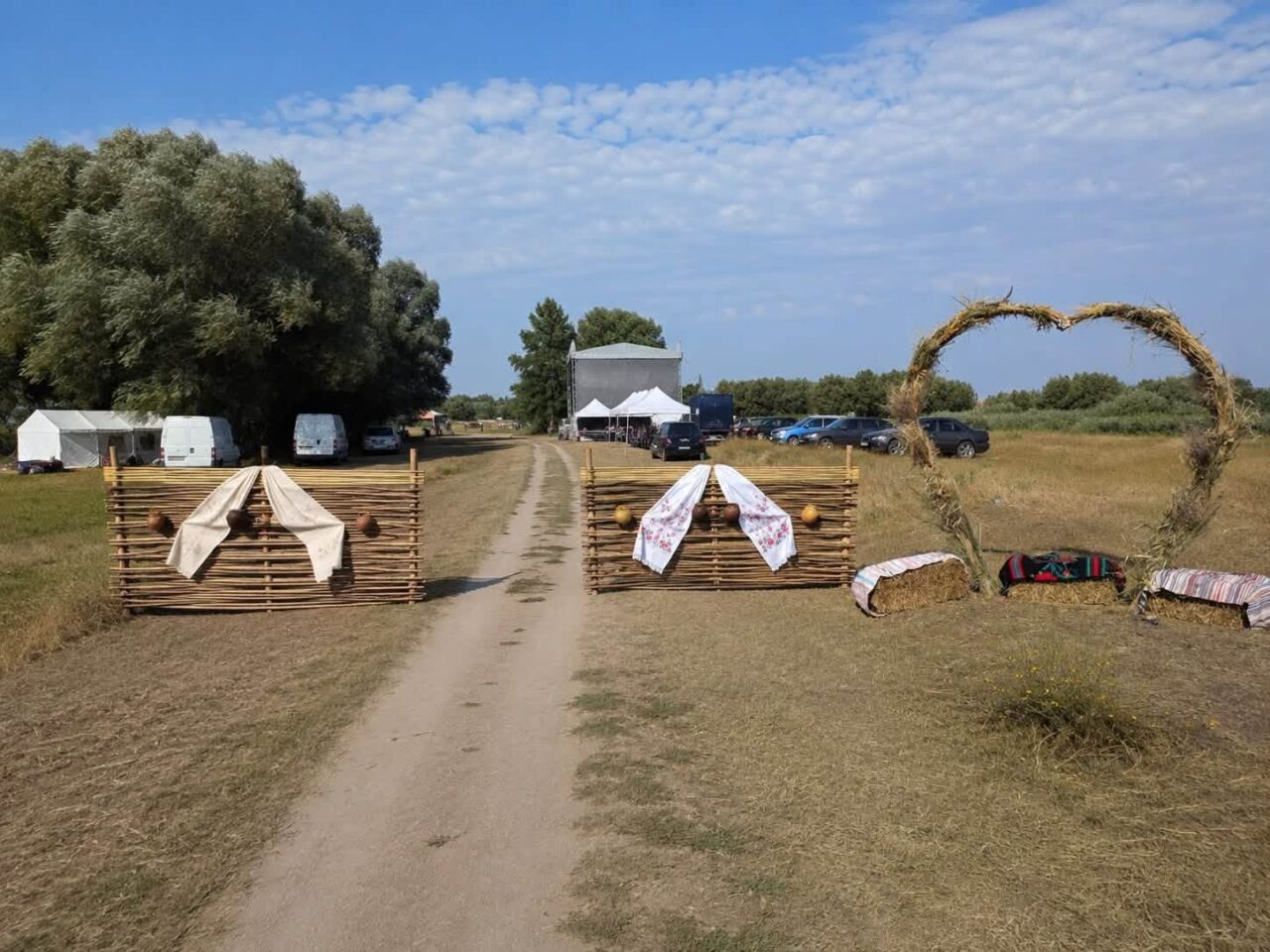
In recent years, the Lower Prut Nature Reserve has increasingly developed as an ecotourism destination.
A visit here is not simply about arriving somewhere and taking a few photographs.
It is about walking through a natural environment, observing birds, discovering floodplain vegetation, enjoying panoramic views of Lake Beleu, and understanding why this ecosystem is so important.
In 2026, two new tourist trails were developed in the reserve: “Beleu Panorama” and “Camel Hill.”
Beleu Panorama Trail
The Beleu Panorama Trail is approximately 5 kilometers long and takes around 1.5–2 hours to complete.
Its main attraction is the spectacular view over Lake Beleu and the surrounding reserve.
It is an excellent option for travelers who want to combine a walk in nature with photography, birdwatching, and panoramic landscapes.
Camel Hill Trail
The second route, Camel Hill, starts in the village of Văleni and is approximately 2.5 kilometers long.
The trail takes about one hour to complete and involves moderate physical effort.
Along the route, nature blends with the rural landscape and local heritage, offering beautiful views over the village and surrounding countryside.
Together, these trails make the Lower Prut area an increasingly attractive destination for travelers looking for authentic experiences away from crowded tourist destinations.
What Can You See During a Visit to the Lower Prut Nature Reserve?
A visit to the Lower Prut can be completely different depending on the season.
Some of the main attractions include:
- Lake Beleu;
- panoramic views over the reserve;
- migratory and waterbirds;
- pelicans;
- swans and wild geese;
- egrets and herons;
- wetland and floodplain vegetation;
- white water lilies;
- Lake Robu;
- reed and bulrush areas;
- landscapes of the Prut floodplain;
- ecotourism trails;
- the villages of Văleni and Slobozia Mare and their local traditions.
For birdwatching, bringing binoculars can make the experience much more rewarding. Binoculars are also available for visitors interested in observing the landscape and birds around Lake Beleu.
When Is the Best Time to Visit the Lower Prut?
The Lower Prut Nature Reserve can be visited throughout different seasons, but the experience changes depending on the time of year and the water level of Lake Beleu.
Spring brings nature back to life, while migratory birds return to the wetlands.
Summer offers lush vegetation, beautiful landscapes, and excellent opportunities to observe pelicans and other waterbirds.
Autumn transforms the area into a wonderful destination for photography, especially because of the changing colors and beautiful natural light.
Winter gives the wetlands a completely different character, while some bird species remain in the region.
So, there is not necessarily one single perfect time to visit the Lower Prut.
There are simply different seasons, each offering its own natural spectacle.
What Should You Know Before Visiting?
Because this is a protected wetland area, a visit should be properly prepared.
Comfortable and appropriate footwear is essential, especially waterproof footwear during colder or wetter periods. Visitors should also consider insect repellent, drinking water, a hat, and sunglasses.
It is equally important to respect the natural environment: do not leave waste behind, avoid disturbing birds and wildlife, and follow the instructions of the guide or reserve administration.
In a place like this, tourism should mean more than simply visiting.
It should also mean responsibility.
An Ecosystem That Depends on Water
The beauty of the Lower Prut comes with an important responsibility.
In recent years, water levels and the condition of wetlands have become increasingly important issues for the conservation of this ecosystem.
In June 2026, Moldova’s Ministry of Environment organized an assessment in the Slobozia Mare area focusing on the current condition of the wetlands, including Lake Beleu and the factors influencing water quantity and quality.
Issues related to water availability, habitat degradation, and climate change can directly affect biodiversity.
That is why protecting the Lower Prut is not only the responsibility of the reserve administration.
It is the responsibility of everyone who visits this extraordinary place.
Why Should You Discover the Lower Prut?
Because Moldova has places that we still have not discovered enough.
Because there is a huge difference between seeing a photograph of Lake Beleu and actually standing beside it, watching birds move across the water.
Because some places do not need spectacular buildings or modern attractions to impress.
And because the Lower Prut is one of those destinations where the journey itself becomes part of the experience.
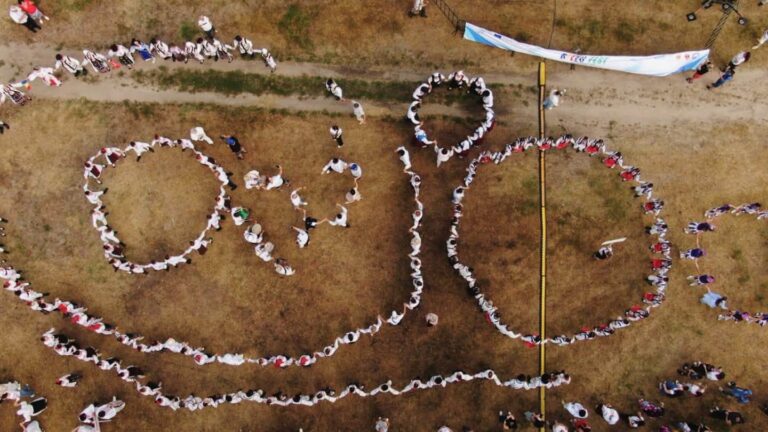
Here, you can walk through nature, photograph the landscape, observe birds, discover nearby villages, and combine nature tourism with local gastronomy and traditions from southern Moldova.
The new tourist trails make this experience even more accessible to travelers who want to discover the area in an active and responsible way.
Lower Prut – Where Wild Moldova Still Breathes
Perhaps one of the greatest values of the Lower Prut Nature Reserve is precisely the fact that nature here still follows its own rhythm.
The water continues its journey.
Birds arrive and leave with the changing seasons.
The reeds move gently in the wind.
Water lilies appear on the surface of the lake.
And Lake Beleu remains one of the most important wetlands in the Republic of Moldova.
For an international traveler, the Lower Prut can reveal a completely different side of Moldova – a country that is not only about vineyards, wineries, and traditional villages, but also about wild landscapes and remarkable biodiversity.
For local travelers, it can be the rediscovery of a natural treasure that has always been part of their own country.
The Lower Prut Nature Reserve is not simply a place to visit. It is a place to understand, respect, and protect.
And if you are looking for a reason to travel to southern Moldova, Lake Beleu and the wild landscapes of the Lower Prut are certainly among the places worth discovering.